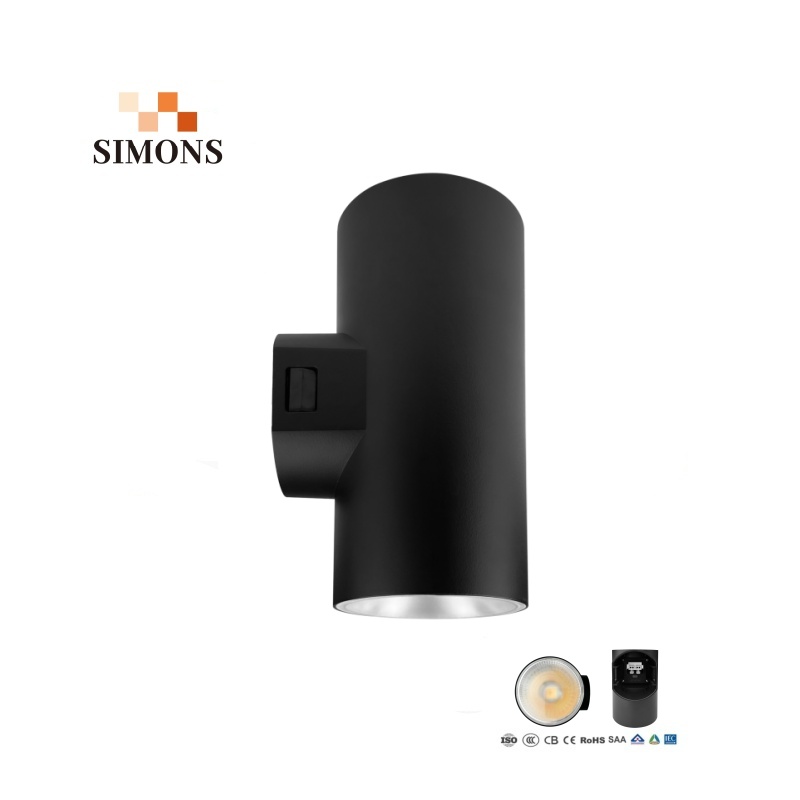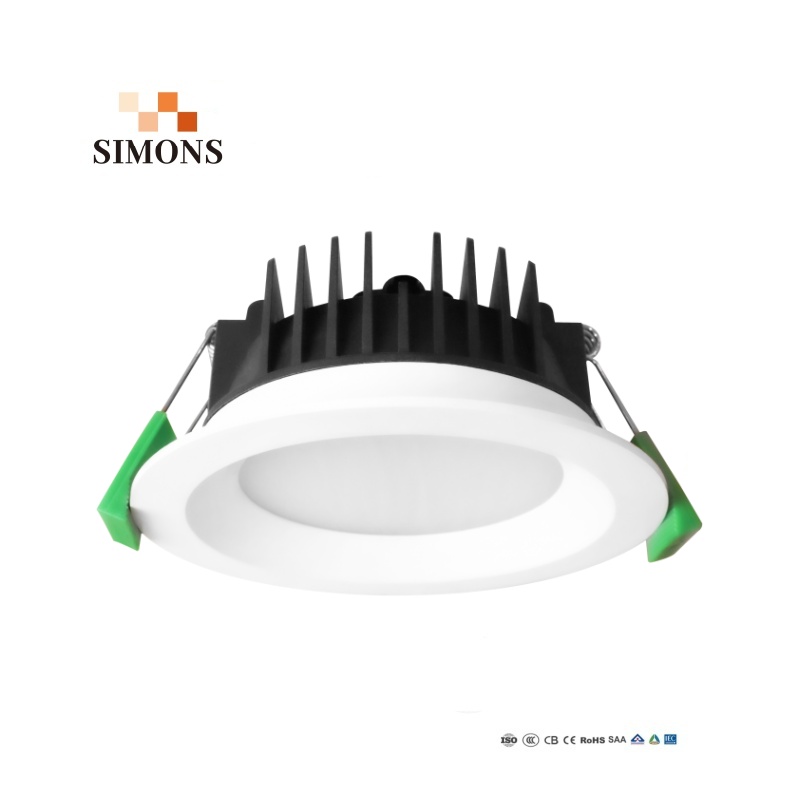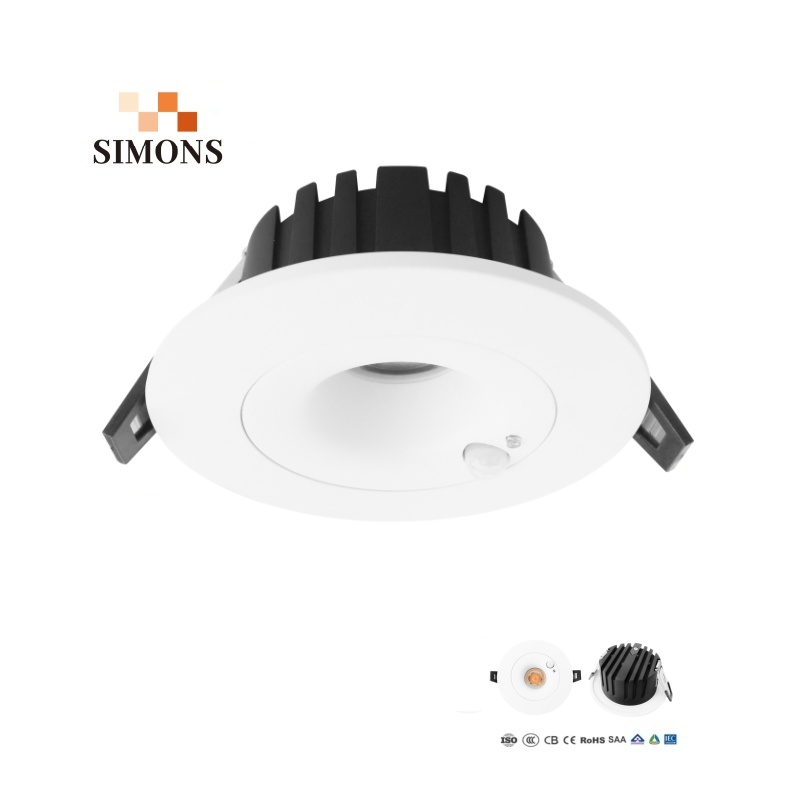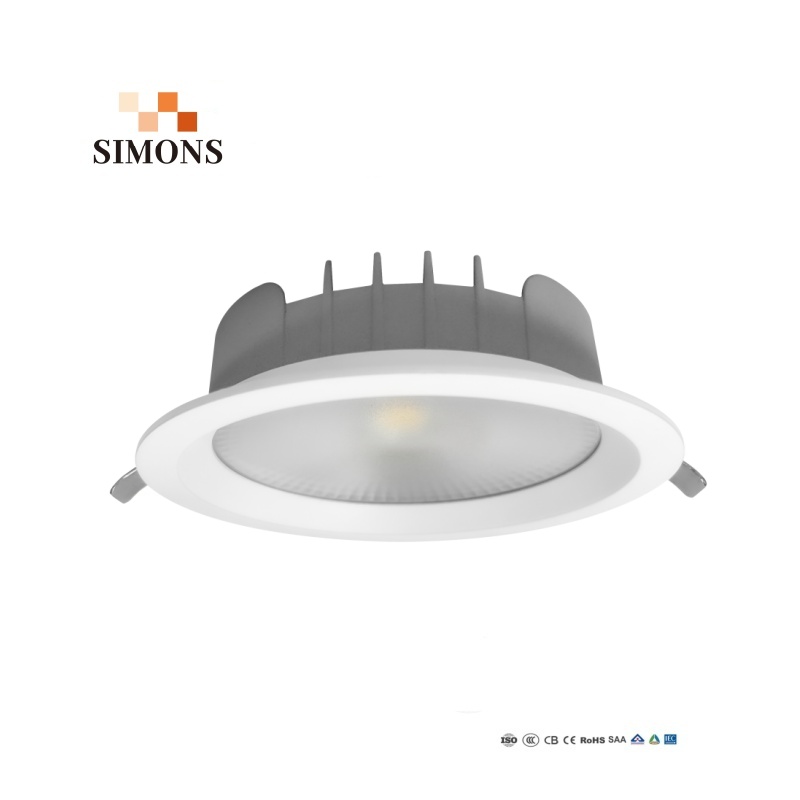



Sweden LED Downlight Industry: Trends, Standards & Market Opportunities
Understanding the unique convergence of decarbonization, Human Centric Lighting (HCL), and strict thermal insulation regulations in modern Scandinavian architecture.
The lighting landscape in Sweden and the broader Nordic territory has transformed into one of the most technologically refined, environmentally conscious, and design-stringent markets in the world. As Sweden aggressively pursues its zero-net greenhouse gas emission target by 2045, building developers, installation contractors (Elentreprenörer), and engineering consultants are enforcing elevated performance baselines for recessed ceiling fixtures. From high-density passive residential homes (Passivhus) in Malmö to sustainable corporate headquarters in Stockholm's Kista innovation district, LED downlights are no longer just utilitarian illumination sources—they are data-responsive, thermally safe, glare-mitigating optical instruments.
Thermal Isolation & Fire Safety
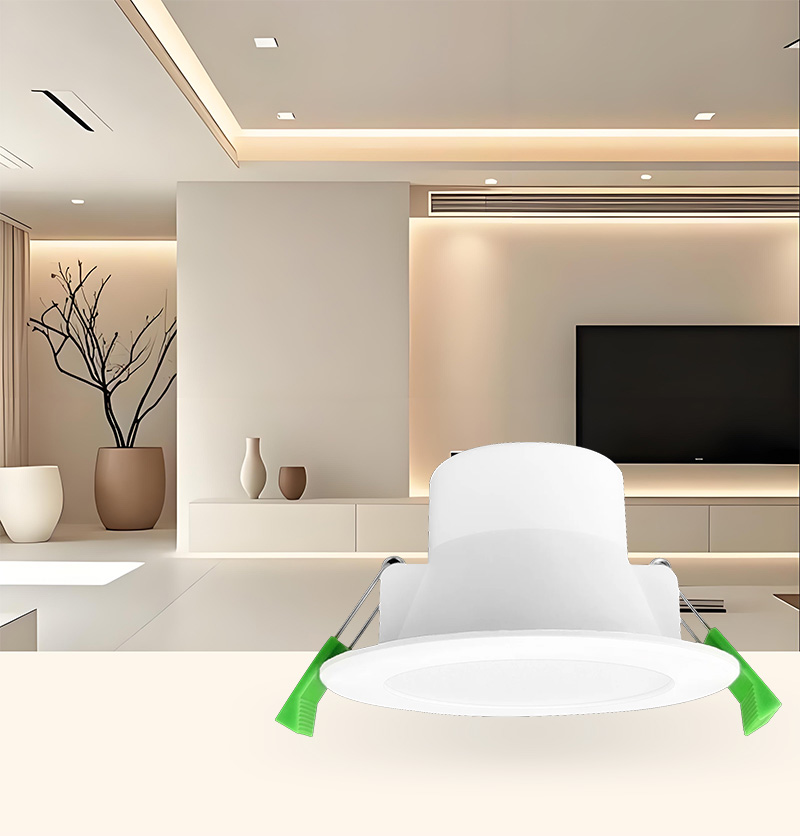
Sweden's strict building code (Boverkets byggregler, BBR) demands airtight, highly insulated ceiling envelopes. Downlights must feature advanced thermal decoupling, IC-4/IC-F ratings, and vapor barrier preservation to prevent heat loss and moisture penetration into attic spaces.
Circadian Rhythm & 3CCT Tuning
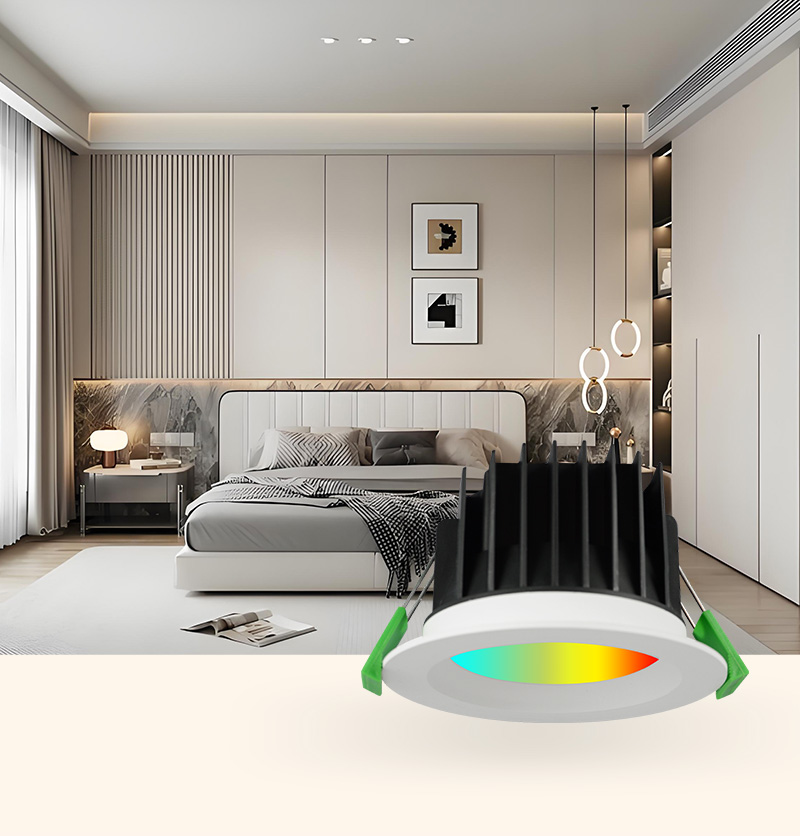
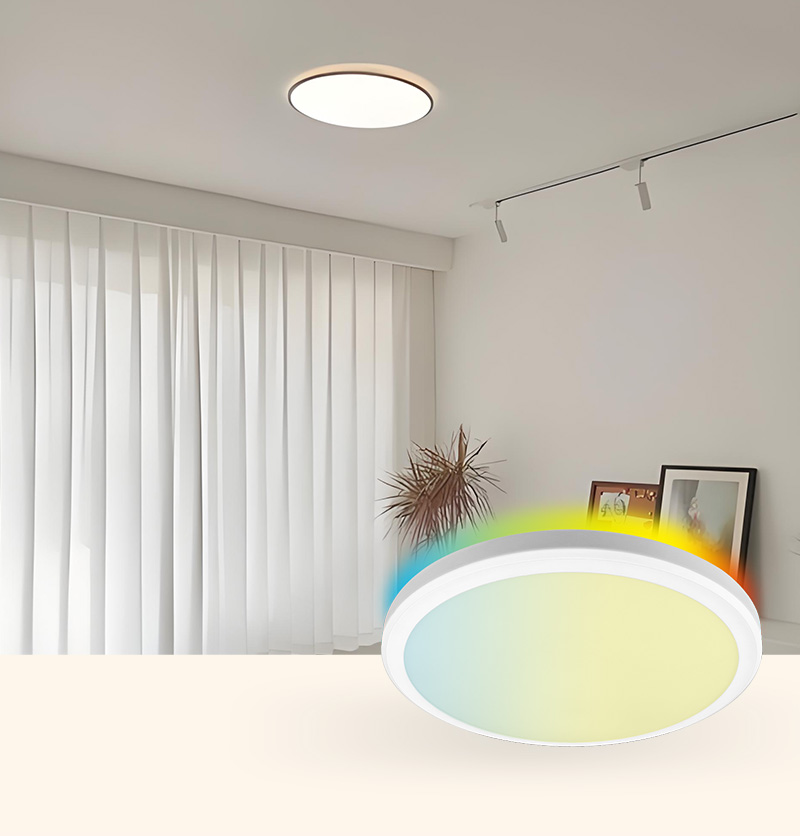
Due to dramatic seasonal daylight swings across Scandinavia, fixtures with tunable white and switchable 3CCT (2700K/3000K/4000K) are vital. They reinforce circadian health during prolonged winter nights, delivering glare-free (UGR<19) high-CRI (Ra>90) comfort.
BREEAM-SE & Circularity Compliance
Nordic tenders mandate compliance with Byggvarubedömningen (BVB), SundaHus, and Miljöbyggnad. Specifiers require non-hazardous raw materials, easily replaceable drivers, tool-free spring installations, and high luminous efficacy surpassing 110 lm/W.
Key Commercial and Industrial Applications Across Swedish Sectors
Lighting vendors supplying Sweden must cater to varied functional requirements dictated by regional commercial practices:
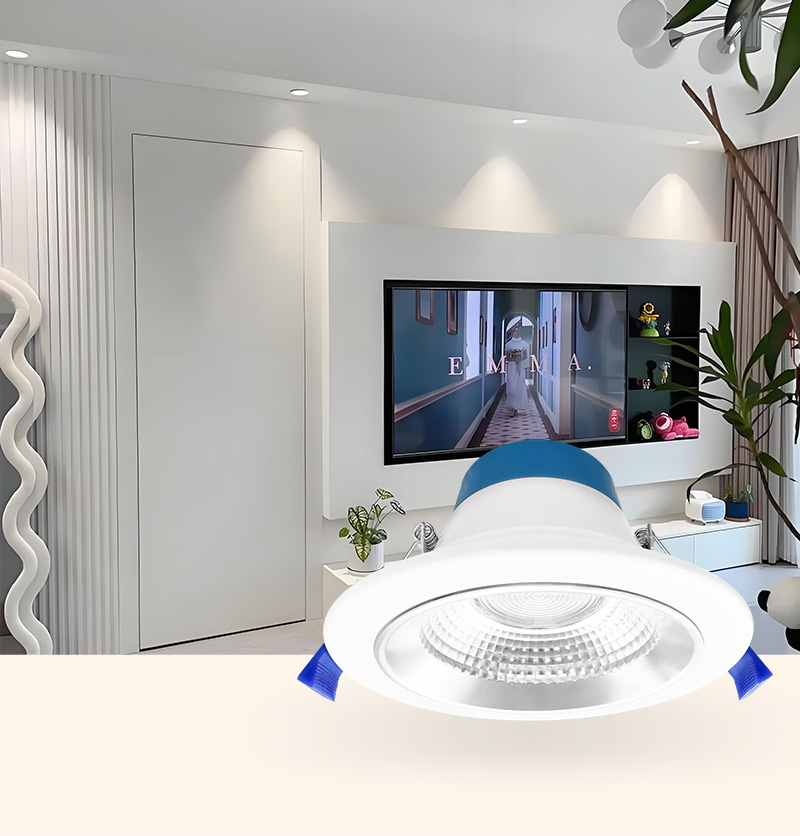
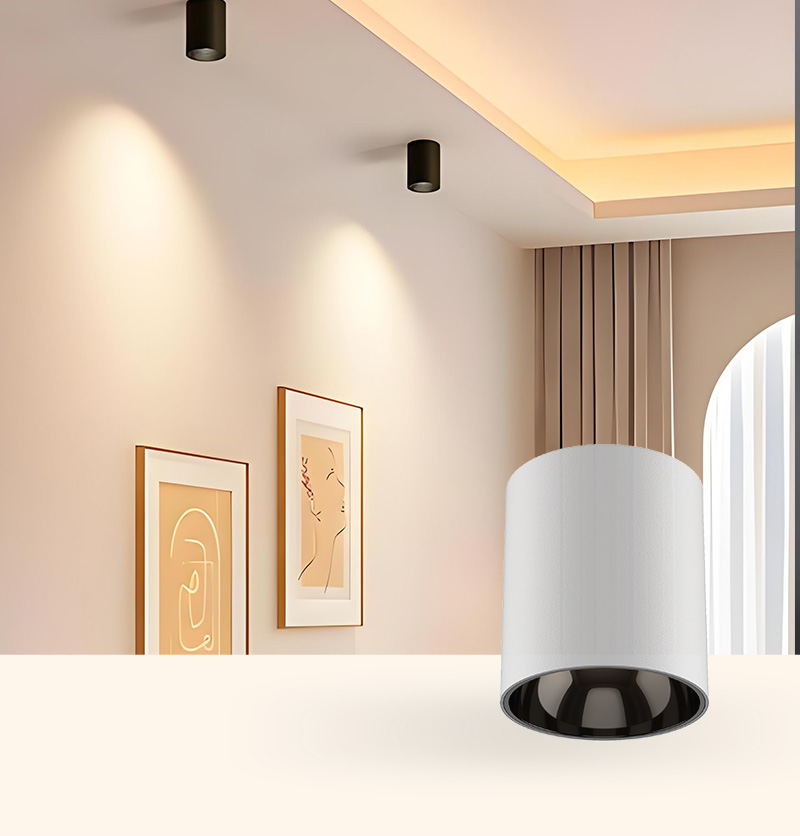
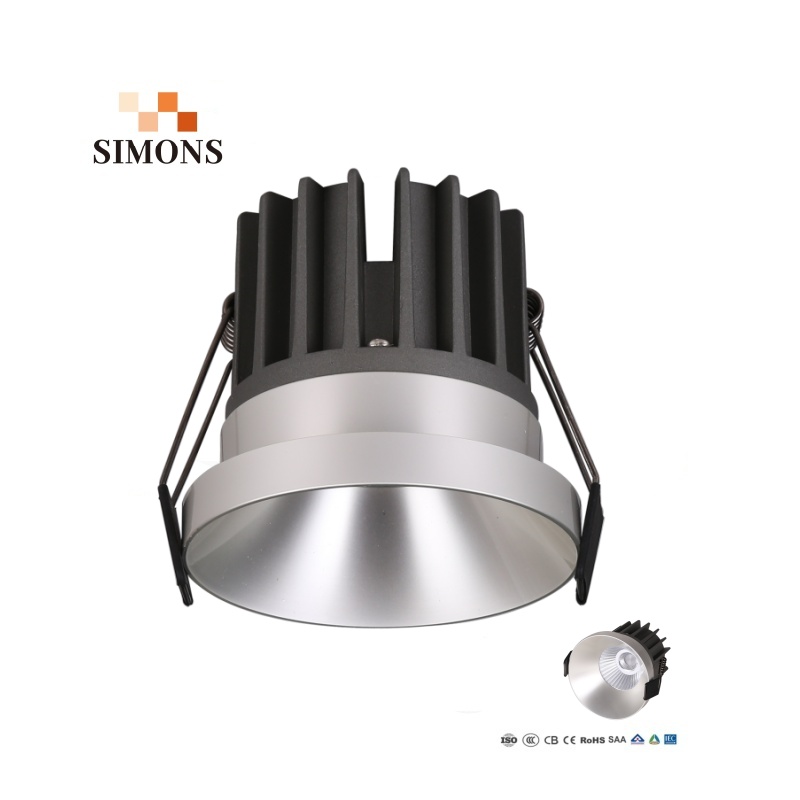
1. Corporate Headquarters & Modern Flex Offices: Modern office spaces across Stockholm and Uppsala lean heavily on biophilic and Nordic minimalist interior design. Recessed architectural COB downlights with deep micro-reflector designs deliver precise dark-light optics. By hiding the direct beam source from sightlines, these units eliminate visual distraction on computer monitors, complying strictly with European standard EN 12464-1 for interior workplace tasks.
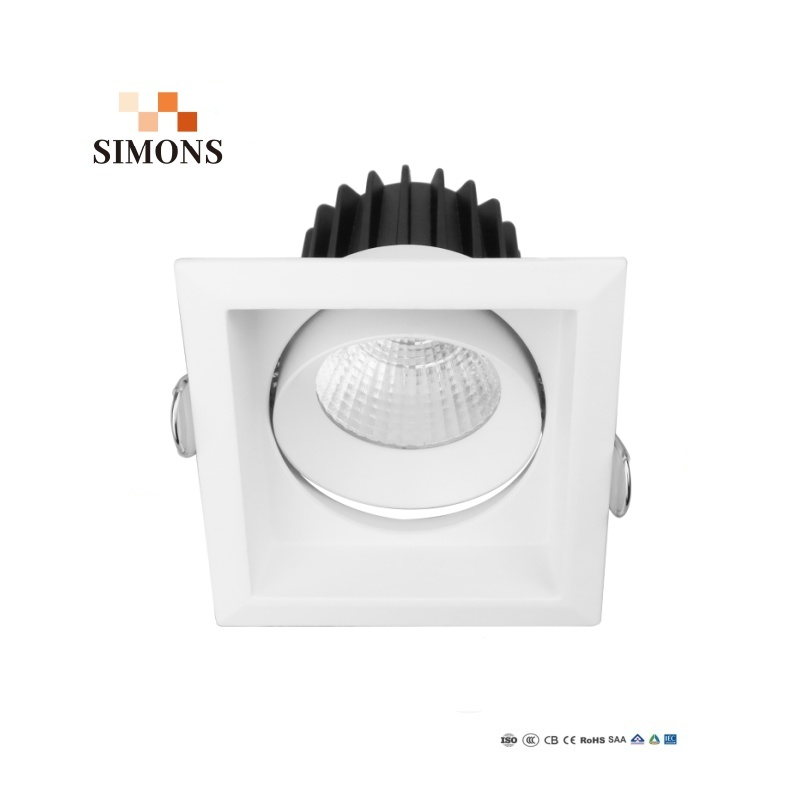
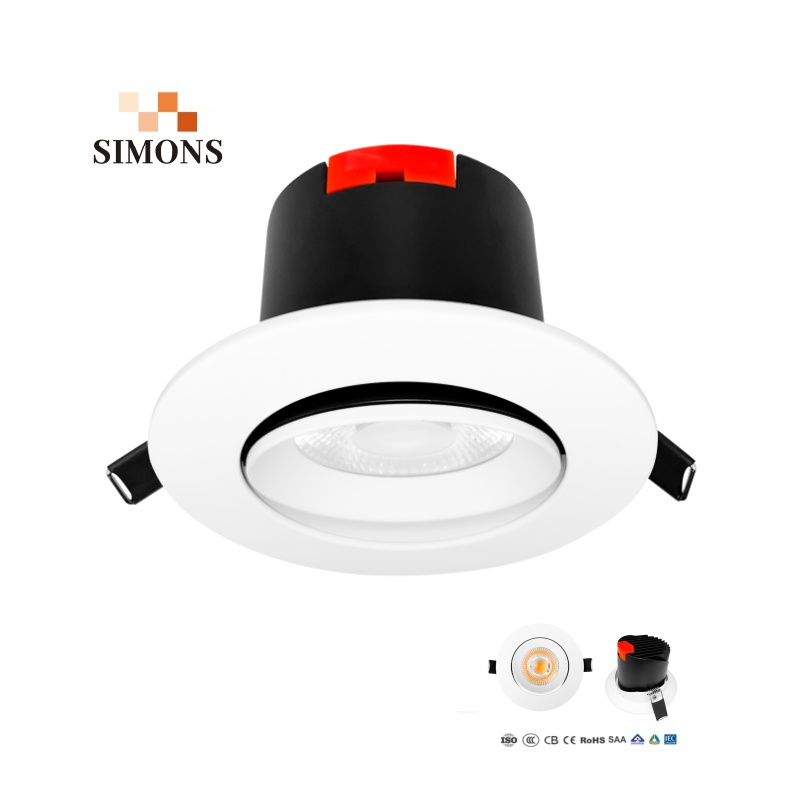
2. Hospitality, Retail & Cultural Centers: Sweden's high-end boutique retail outlets and Gothenburg restaurants demand deep color rendering (CRI 90+ with vibrant R9 values for organic textures and timber hues). Low-profile, rotatable gimbal options and wide-flange recessed downlights enable precise accentuation of merchandising without generating thermal hot spots.
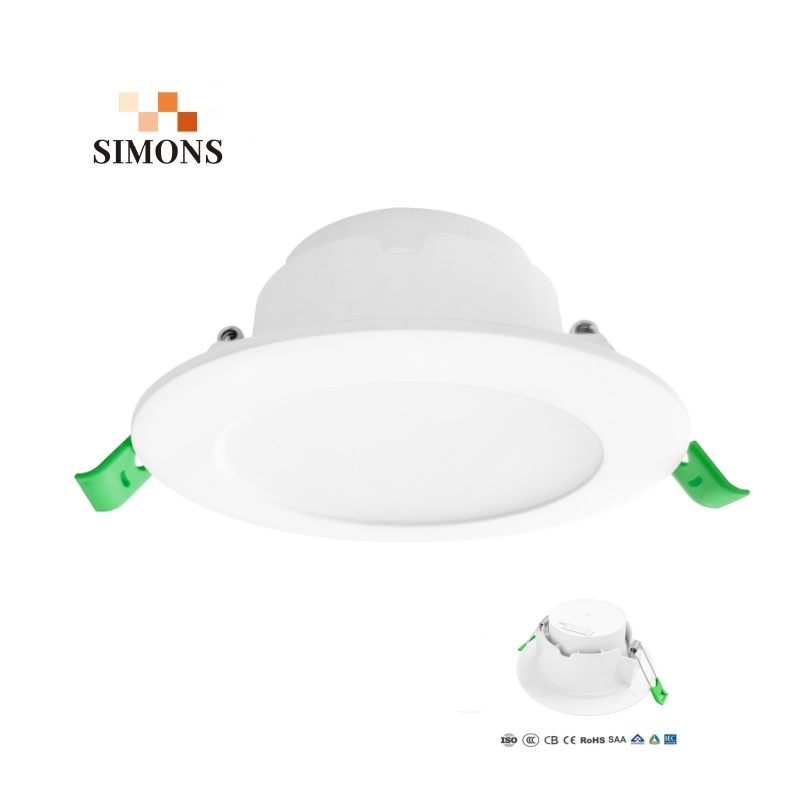
3. Residential Multi-family & Public Bathing Facilities: Bathrooms, saunas, and utility areas in Swedish residential spaces require robust IP44 to IP65 moisture sealing. Downlights deployed in these scenarios must endure high humidity while maintaining corrosion-free powder coating and thermal resilience against mineral wool insulation backings.
Why Free Sample Verification is Crucial for Swedish Engineering Vendors
For Swedish electrical contractors, wholesalers (Grossister), and procurement specialists, partnering with overseas OEM/ODM manufacturing vendors is built on rigorous sample benchmarking. Requesting and vetting physical production samples serves multiple engineering objectives:
- Photometric & Flicker Verification: Ensuring that high-frequency electronic drivers meet IEEE 1789-2015 limits for low-risk flicker, ensuring flicker-free environments under high-speed surveillance and mobile device imaging.
- Quick-Connect Loop-in/Loop-out Testing: Nordic installers favor tool-free snap terminals (WAGO-compatible junction boxes) to drastically cut labor installation time on fast-track construction sites.
- CE, RoHS & EcoDesign Compliance: Ensuring driver electronics and die-cast aluminum heat sinks operate within low thermal drift tolerances (ΔT < 35°C) to guarantee a lifetime exceeding L80B10 50,000 hours under actual ceiling insulation conditions.