Inquiry
Leave Your Message

Blog

How to Install a Batten Light?

How to Install a Batten Light?

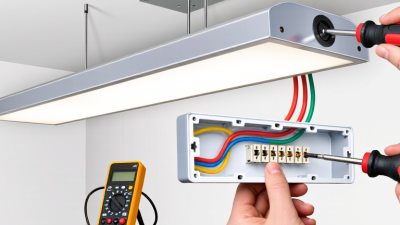
So, you're thinking about getting a Batten Light? They're great for hallways, garages, utility rooms, or workshops—honestly, the light is clean and even, no harsh shadows. But here's the thing: installing one isn't just about attaching it to the ceiling. Nah, you've got to check the existing wiring first, make sure you pick a solid mounting point, and actually read the instructions that come with it (yeah, I know, but trust me). This guide walks you through it step by step, from getting everything prepped to testing it out at the end. Exact steps can vary a bit depending on your fitting and the state of your electrical supply. But first things first—safety. Make sure you kill the right circuit at the breaker, then use a voltage tester to double-check that the wires are actually dead. Don't just trust the wall switch, that's not enough. If the wiring looks damaged, or you're unsure about anything, stop and call a qualified electrician—no shame in that. Also, check that your ceiling can support the fitting's weight, and have all your screws, connectors, and tools within arm's reach before you begin. Honestly, the little details can make or break the job. So, here's the deal: you'll need to mark where the mounting holes go, then get the base secured properly. After that, connect the conductors to the terminals — just follow the labels, but seriously, trust the manufacturer's diagram over any wire colors you see, because those can be tricky. Once everything's closed up and the fitting is back on, flip the power back on and see if the light works. If it's flickering or doing nothing at all, cut the circuit again before you even think of touching anything — safety first, right? A good job should look clean, sit nicely against the ceiling, and definitely no stray wires or wobbly bits hanging around. Look, just take your time with it. Rushing a connection is an easy way to regret it later, trust me.
Read more »
Ethan By:Ethan - November 8, 2026
What Type of Bathroom Ceiling Light Is Best?

What Type of Bathroom Ceiling Light Is Best?

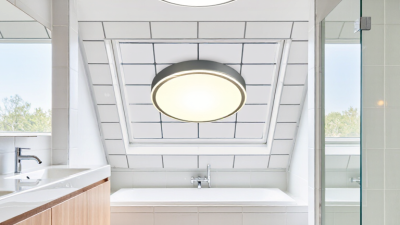
Picking the best Bathroom Ceiling Light isn’t just about grabbing the one that looks the prettiest on the shelf. Honestly, there’s a bit more to it than that. You’ve got to consider your ceiling height, how big the room is, how much moisture the fixture will face, and the kind of light you actually need at different times of day. For example, if your ceiling is low, a flush mount usually works well. But if you have a larger bathroom, you’ll probably want something brighter with light that spreads evenly. Okay, first things first: safety. Before you pick anything, check the fixture’s damp- or wet-location rating and make sure it matches where you’re putting it—especially if it’s going near a shower. You probably already know LEDs are the big energy savers; the Department of Energy says residential ones use at least 75% less juice and can last 25 times longer than old-school incandescents. That stat’s great and all, but it doesn’t really tell you if the light will actually feel nice in a foggy, steamy bathroom. Look, you can't forget the basics: brightness, color temperature, glare control—and yeah, the fixture's installation rating. All of it still matters. Lighting designer Randall Whitehead once called lighting “the jewelry of the home.” It’s a catchy phrase, sure—but looks aren’t everything. A frosted diffuser can soften that harsh glare bouncing off a tiled ceiling, while a sealed fixture might be the smarter pick in damp spaces. Honestly, the right choice depends on your situation. And sure, a dimmer sounds great, but it only works if the fixture and dimmer actually get along. So you're on the hunt for bathroom ceiling lights? This guide breaks down the usual types and points out a few things worth checking before you make up your mind.
Read more »
Matthew By:Matthew - November 5, 2026
Why Choose LED Batten Lights for Your Business?

Why Choose LED Batten Lights for Your Business?

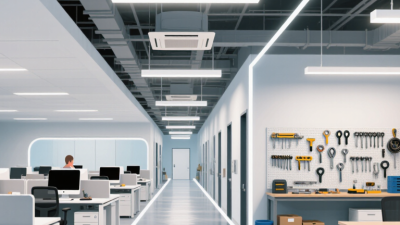
Lighting for a business isn't just about making the place brighter. You've got to think about the people in it. Employees need clear, comfortable light to actually get their work done, and customers? They'll definitely notice dark corners, harsh glare, or spots that just don't look right. That's where an LED Batten Light comes in—it's practical, low-profile, and works well in offices, hallways, workshops, storage spaces, that kind of thing. People tend to like these fixtures because they're simple and spread light really well. But looking neat doesn't always mean they'll perform the way you'd hope. The little things can make all the difference, honestly. Alright, so you’re looking into LED batten lights for your business—good call, they’re pretty popular these days. But before you get swept away by the wattage on the box, here’s the thing: that number doesn’t tell the whole story. You’ll want to dig into lumen output, color temperature, beam distribution, and how efficient the fixture actually is. Also, think about where it’s going. High ceilings? Dusty or damp environment? Make sure the light’s actually suited for those conditions, not just in theory. And don’t be shy—ask the supplier about installation and warranty details upfront. At the end of the day, go by the specs, not the marketing hype. That’ll save you a headache later. Of course, how much energy you can actually save depends on stuff like how long the lights are on, what you’ve already got installed, and what you’re paying for electricity. So yeah, results are all over the place. It’s one of those things people tend to forget. Taking the time to compare options carefully can really help a business find lighting that works for their space and their budget—but honestly, no single fixture is going to be perfect for every room.
Read more »
Matthew By:Matthew - October 31, 2026
Top 10 Smart Downlight Types for Global Buyers

Top 10 Smart Downlight Types for Global Buyers

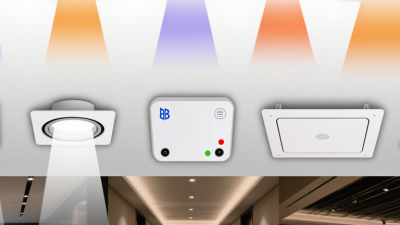
Picking the right Smart Downlight isn't just about brightness or looks anymore, you know? These days, global buyers are really getting into the nitty-gritty – comparing beam angles, color temperature, dimming performance, connectivity, heat control, and even installation depth. And here's the kicker: a ceiling can look perfectly polished, but the glare management could still be a total mess. You know, that mistake really becomes obvious in places like a kitchen, a hotel corridor, or even a retail display after the sun goes down. You know, Dr. Mariana Figueiro — she's a big name in lighting research and heads up the Light and Health Research Center — once said something that really sticks with you: “Light is the most powerful synchronizer of the human circadian system.” That quote kind of flips how you think about picking a smart downlight. It's not just, hey, does it look nice on the ceiling? It's about supporting your daily rhythm, making your life a bit easier, and not wasting energy while you're at it. And let's be real, the thing also has to play nice with your phone, sensors, voice assistant, or whatever building system you've got. The little things matter more than you'd think — if the app takes forever to respond, it just feels... cheap, you know? You know, uneven dimming is honestly way worse. Like, it’s not even close—when the light flickers or shifts inconsistently, it just feels off, you know? It’s way more annoying than a smooth, steady dim. So, here’s the deal—this guide breaks down the top 10 smart downlights that global buyers actually care about. We’re talking adjustable ones, recessed styles, those color-tunable bad boys, plus Wi-Fi, Bluetooth, and Zigbee options, not to mention ones with built-in sensors and heavy-duty commercial stuff. Honestly, each type fits a different vibe and budget. Some of them? They look gorgeous and work wonders, but they’ll need a solid network setup to really shine. Others are super quick to install but you’re stuck with basic controls. And here’s the thing nobody says enough: there’s no perfect model. Like, at all. We need to be more upfront about that. Look, product specs might look great on paper, but when you actually get them into a real room, that's when the truth comes out – weak cooling, glitchy software, or limited compatibility. So before you settle on any fixture, take a hard look at actual performance tests, what kind of ongoing support you'll get from the manufacturer, how tricky the installation is, and whether you're ready for the long-term upkeep. It's a lot to think about, but trust me, it's worth it.
Read more »
Lucas By:Lucas - October 28, 2026
China Top 10 Pendant Light Manufacturers?

China Top 10 Pendant Light Manufacturers?

If you're looking at China’s Pendant Light manufacturing scene, a few things really stand out: plenty of export experience, flexible production, and lighting tech that keeps getting more precise. In this guide, we’ll walk through ten Chinese manufacturers worth knowing—the kind that handle residential, hospitality, retail, and commercial projects. There’s a pretty real opportunity here. According to the International Energy Agency, lighting accounts for roughly 15% of global electricity use. They also point to LEDs as one of the main ways to make lighting more efficient. That’s kind of a big deal when you’re picking a pendant light supplier, since efficiency can affect operating costs, heat output, and overall environmental performance. So, according to Grand View Research, the global lighting market is still huge—and it keeps growing. Fortune Business Insights points to things like smart controls, energy efficiency, and flexible designs as big reasons for that growth. And these trends? They’re shaping how Chinese manufacturers build fixtures, components, and connected lighting systems. But here’s the thing: “top ten” isn’t some absolute ranking. It really comes down to stuff like project scale, certifications, customization, price, and how well they can deliver. A factory that’s great with hotels might not be the right fit for a small residential brand. And honestly? That’s something people often miss. So this overview looks at the big stuff—manufacturing capacity, material quality, design capability, export experience, and after-sales support. But it also gets into the practical details: brass thickness, diffuser consistency, driver reliability, wiring standards, and how accurate the samples are. And those little things? They're exactly what you notice once the piece is hanging above a dining table or a reception desk. Now, some of what suppliers claim? Yeah, that still needs checking. Product pages can look really sharp - no surprise there. But factory audits, test reports, installation feedback, and reference projects? Those give you much stronger proof. Buyers should also confirm certifications work for the destination market, and ask for warranty terms that are clear. The companies we talk about here aren't all the same kind of business - they bring different strengths to the table. Put together, though, they're a pretty useful starting point if you're sourcing Pendant Light products from China.
Read more »
Lucas By:Lucas - October 24, 2026
China Top LED Track Light Bulbs for Global Buyers?

China Top LED Track Light Bulbs for Global Buyers?

China has become a major sourcing base for LED lighting, including the Led Track Light Bulb segment. Global buyers now compare more than price. They examine beam control, color consistency, heat management, certifications, and supplier reliability. The International Energy Agency reported in Energy Efficiency 2023 that LEDs represented more than half of global lighting sales in 2022. The U.S. Department of Energy also states that LED products can use at least 75% less energy and last up to 25 times longer than incandescent lamps. These figures explain the continued demand for track lighting in retail stores, galleries, hotels, and residential projects. A well-designed 30-watt track bulb can create a sharp display accent without excessive glare. Small details matter. China’s leading manufacturers offer COB and SMD options, GU10 and other bases, adjustable beam angles, dimming systems, and various color temperatures. Experienced buyers should request IES or LDT photometric files, LM-80 and TM-21 evidence where applicable, thermal test results, and consistent sample approval. Standards and market requirements also need careful checking, including IEC 60598 references and regional conformity documentation. UL Solutions, Intertek, and TÜV Rheinland can support independent testing, but testing does not replace supplier assessment. The market is not perfectly transparent. A low quotation may hide unstable LEDs, weak drivers, or incomplete documentation. This guide evaluates China’s top Led Track Light Bulb suppliers through product performance, manufacturing experience, quality controls, customization ability, and export support. Some rankings may remain subjective. Buyers should verify every claim against current samples, factory records, and project conditions.
Read more »
Lucas By:Lucas - October 20, 2026
2026 Best Smart Downlight Suppliers for Global Buyers?

2026 Best Smart Downlight Suppliers for Global Buyers?

Choosing the right Smart Downlight supplier in 2026 isn’t just about flipping through product photos and comparing factory prices. Not even close. If you’re buying internationally, you need lighting that actually performs, paperwork that makes sense, production that doesn’t wobble, and a team that answers you before the project deadline starts breathing down your neck. A downlight can look great on a website and still turn into a headache during install, inspection, or after a year in the ceiling. This guide looks at some of the leading Smart Downlight suppliers for international buying teams. We’ll go through product design, factory capability, certifications, customization support, and export experience. The practical stuff matters too: 90mm cutouts, 3000K or 4000K color temps, dimming compatibility, IP ratings, wireless control systems. And don’t forget the less glamorous questions—driver quality, heat management, warranty terms, and what happens if something needs replacing. Real buying decisions are never just specs on a page. A supplier you can trust should send samples, test reports, packaging details, and a production schedule that isn’t just wishful thinking. Factory audits and video inspections can show you the assembly floor in a way that brochures never will. Communication speed matters, too, especially when your project spans time zones and the installation requirements keep shifting. No supplier is perfect. Some nail the product but offer limited customization. Others have tempting prices and weaker after-sales support. A smart comparison has to admit these trade-offs instead of pretending there’s one easy winner. This article gives you a practical framework for evaluating Smart Downlight manufacturers and trading companies in 2026. It’s for distributors, contractors, lighting brands, and commercial project buyers who want evidence before they place an international order. The focus is on transparent claims, responsible sourcing, and supplier performance you can actually measure. Because in the end, it’s often the small details that decide how everything turns out.
Read more »
Lucas By:Lucas - October 15, 2026
10 Best Surface Mounted LED Fixtures for Global Buyers

10 Best Surface Mounted LED Fixtures for Global Buyers

Picking the right Surface Mounted Led Fixture isn't just a spec-sheet decision. It can affect how comfortable a space feels, how much energy it burns, and how often someone has to get up on a ladder to deal with maintenance. Buyers around the world usually start by comparing brightness, beam angle, color temperature, housing quality, and how the thing actually gets installed. Fair enough. But product pages? They rarely tell you the whole story. A fixture can look great under showroom lights and then act completely different in a damp warehouse or a chilly retail space. So here's a look at ten leading surface-mounted LED fixtures for international projects. We weighed measured lumen output, color consistency, thermal management, driver reliability, dimming options, and warranty support. We also dug into the practical stuff—screw placement, ceiling clearance, cable access, diffuser strength. Those little details matter when you're installing above a busy office ceiling, and they can save real time. Testing should stay realistic, too. Certifications from UL Solutions, Intertek, or TÜV Rheinland can give you some confidence, but it's still smart to verify the exact model and the market requirements. And supplier documentation? Read it carefully. Claims can shift from one batch to the next. No fixture fits every project. A compact 18-watt panel might be perfect for a hotel corridor, while a sealed IP-rated model could make more sense for a coastal facility. For commercial buyers, ask for samples, photometric files, driver details, and replacement-part info before placing a big order. We also looked at feedback from installers and lighting pros, though field conditions vary a lot. Worth admitting that limitation. The products we selected try to balance performance, appearance, availability, and long-term practicality. Some are impressively efficient but don't offer much customization. Others feel sturdier up front but cost more initially. Hopefully, this comparison helps distributors, contractors, architects, and facility owners make a more informed call—without leaning only on marketing language.
Read more »
Lucas By:Lucas - October 10, 2026
How to Choose Downlight Accessories for Global Projects

How to Choose Downlight Accessories for Global Projects

Picking the right Downlight Accessories for projects around the world? Yeah, it’s a lot more involved than just matching trims to fixtures. Every market throws different stuff at you—ceilings, climates, how installers actually work, and what people expect for maintenance. A coastal hotel might need bezels that won’t corrode. A retail store? Maybe glare control, adjustable brackets, and color that stays consistent. It’s funny how the small stuff can end up affecting the whole lighting system. Lighting consultant James R. Benya, PE, has a simple way to put it: “A downlight is only as good as the system supporting it.” That pretty much sums up how to choose Downlight Accessories—reflectors, diffusers, mounting clips, gaskets, drivers, emergency modules, smart-control parts, all of it. They need to fit the luminaire precisely. But they also need to work with the ceiling material, ambient temperature, and how the space gets cleaned. Fit really does matter most. A solid specification process starts with evidence from the project, not guesses. Look at sample ceilings, installation photos, local voltage conditions, and how many hours the lights are expected to run. Check compatibility against recognized testing requirements and the manufacturer’s technical documents. Companies like Philips Hue, LEDVANCE, and Opple Lighting show how accessory ecosystems can help keep product performance consistent—but a brand name alone doesn’t guarantee it’ll be right for your job. And yeah, it’s okay to be skeptical. A component that seems perfect in a showroom can fail after enough thermal cycling or a rough install. Some teams also forget to check spare-part availability. That one gets expensive later. The guide below looks at how to compare Downlight Accessories for international projects, balance performance with logistics, and write specs that still make sense after handover.
Read more »
Ethan By:Ethan - October 7, 2026
China Top 10 LED Track Light Bulb Manufacturers?

China Top 10 LED Track Light Bulb Manufacturers?

China’s LED track light bulb market is pretty vast and super competitive, which makes it tricky sometimes to make fair comparisons. Different manufacturers often publish their own testing conditions, warranty details, and performance numbers, so it’s not always apples to apples. In this guide, we take a close look at ten of the top Chinese brands—not just judging by shiny product photos but through real-world evidence. We cover companies like Opple Lighting, NVC International, PAK Corporation, Yankon, FSL, TCL Lighting, Midea Lighting, Leedarson, Kingsun, and Lianovation. When it comes to performance, what really counts is usable light. A solid LED track light bulb should offer steady brightness, accurate color rendering, the right beam angle, and good heat management. Compatibility’s also key—things like GU10, MR16, E27 bases, or integrated track systems might need different electrical specs. Installers often check the adapter type, dimming options, power factor, and even how hot the housing gets before giving the thumbs-up. Honestly, it’s the little details that make all the difference. Lighting guru James R. Benya once said, “The best lighting is the lighting you don’t notice.” And that really hits the nail on the head, especially for places like retail galleries, museums, hotels, or even modern homes. Good track lighting should highlight what you want to show off—whether that’s products or artwork—without causing glare, dark spots, or flickering that distracts. Our comparison looks at more than just lumen claims—factors like factory capacity, design experience, quality control, certifications, customization options, delivery reliability, and after-sales support all matter just as much. That said, no ranking is ever set in stone. Factory capabilities can change, product lines might vary, and sometimes the info out there isn’t complete. Plus, a bulb that looks great in a showroom might perform differently when installed under warm ceilings or used with dimmers. So, always double-check current datasheets, test reports, warranty info, and ask for samples before making a final decision.
Read more »
Ethan By:Ethan - October 2, 2026
What Are the Top LED Track Light Bulbs for Global Buyers?

What Are the Top LED Track Light Bulbs for Global Buyers?

When global buyers are picking out a Led Track Light Bulb, they need more than just a bright lamp to get the job done. It’s really about finding something that performs reliably, matches the right specs, and is easy to get in stock. Nobody wants to deal with flickering or inconsistent performance, right? Nadarajah Narendran, Ph.D., a well-respected LED researcher over at the Lighting Research Center, put it simply: “LEDs aren’t just light bulbs; they’re light sources.” That’s a pretty big deal—especially when you’re working on retail galleries, hotels, museums, or even your own home. When replacing a bulb, it’s not just about the socket; you need one that matches the fixture perfectly. Things like beam angle, lumen output, color temperature, how well it renders colors, and dimming capability all matter. For instance, a 3000K bulb with a tight 24-degree beam might give a cozy, focused glow over a display table. Meanwhile, 4000K could be better suited for an aisle in a supermarket. And don’t forget—small differences in light can really stand out against shiny floors or white walls. This guide walks you through some of the top LED track light bulbs available for international buyers. It covers key stuff like product specs, driver quality, how well they handle heat, warranty details, and how responsive the factory is. If possible, ask for samples and test them in your actual fixtures—because what looks good on paper doesn’t always perform the same in real life. Compatibility and flicker are also often overlooked but are super important. Keep in mind, no one-size-fits-all bulb exists. Voltage ranges, socket types, dimmer systems, and certification standards can all vary a lot depending on your region. Even big brands like Philips, OSRAM, and GE have different product lines tailored for different needs. Sometimes, a bulb might look perfect in specs but feels underwhelming once installed. That’s why it’s crucial to test thoroughly. The goal is finding a balance—good quality, energy efficiency, easy to replace, and reliable over time. After all, the brightest bulb isn’t always the best choice. Sometimes, what matters most is consistent performance project after project.
Read more »
Lucas By:Lucas - September 29, 2026
What Are the Top Types of Track Lights?

What Are the Top Types of Track Lights?

Track lighting is pretty popular because it’s so versatile, but choosing the right one really depends on your space and what you’re trying to achieve. Basically, a track lighting system usually combines a powered track with fixtures that can be either movable or fixed. Some of these heads are great for highlighting artwork or shelves, while others are better suited for spreading light over kitchen counters or work areas. Small differences actually make a big impact—things like beam angle, brightness, whether they support dimming, and where you place the fixtures can totally change the vibe of a room. When it comes to types, you’ve got fixed-head, adjustable-head, linear, monorail, and cable track lights. Fixed heads give you a pretty consistent wash of light. If you want something more flexible, adjustable spotlights are the way to go—they let you direct the light as furniture or displays move around. Linear systems are perfect if you like a clean, structured look. And then there are the more unique options like monorail and cable systems—they tend to have more unusual shapes, but keep in mind, their installation might be a bit more involved. Just a heads up: not every fixture plays nice with every track. Always double-check the manufacturer’s specs—things like compatibility, voltage, and dimmer needs—before hitting buy. Sometimes, a product photo looks great but leaves out those important details. In this guide, I’ve looked at the top types of track lights, highlighting what each one is good for and where they tend to shine brightest. Of course, there are trade-offs—no one-size-fits-all. Sometimes, the simplest adjustable track system actually works better for a busy, everyday space than something super flashy that’s hard to reposition. The key is choosing what fits your needs and budget best, not just what looks coolest.
Read more »
Ethan By:Ethan - September 26, 2026
2026 Top Smart Light Manufacturers for Global Buyers

2026 Top Smart Light Manufacturers for Global Buyers

Picking a smart light manufacturer in 2026 isn’t just about comparing brightness, color options, or the app features. I mean, those are important, sure, but you also really need to dig deeper—look at product quality, certifications, support software, supply reliability, warranty details, and how well they serve your region. Because honestly, a gorgeous lamp doesn’t do much good if you can’t get replacement parts when something breaks, right? Mariana Figueiro, PhD—she’s a well-respected lighting researcher—once said that light is “the most powerful synchronizer of the circadian system.” That really adds a personal touch to all of this, doesn’t it? Nowadays, smart lights aren’t just about tech—they set the mood in bedrooms, workspaces, hotels, retail stores, and healthcare facilities. So, when you’re choosing, it’s smart to consider glare control, how true-to-life the colors are, how well they dim, and whether they’re easy on your eyes, especially at night. For example, a Smart Wall Light can give your hallway a cozy glow, but if the diffusion isn’t right and it throws harsh shadows, you might end up with eye strain or fatigue. In this guide, I look at some of the top manufacturers like Signify, ams OSRAM, Acuity Brands, Legrand, GE Current, and Nanoleaf. Each one has its strengths—whether it’s their smart ecosystems, control features, design options, or international reach. Some are great if you want deep technical integration, while others are more about offering affordable prices or quick setups. Honestly, no list of manufacturers is perfect, and availability can change pretty fast. You also need to double-check regional compliance, shipping limits, and voltage requirements—don’t just assume everything will work seamlessly. Before placing big orders, ask for the latest tech specs, test samples, and clear support policies. Even though installer experience counts, it’s not always consistent, so it’s definitely worth questioning how reliable a supplier really is. In the end, the best manufacturer isn’t necessarily the biggest name—it’s the one that consistently provides reliable lighting, transparent info, and solid support after the install."
Read more »
Ethan By:Ethan - September 21, 2026
China Top 10 LED Track Light Bulb Manufacturers?

China Top 10 LED Track Light Bulb Manufacturers?

China’s LED lighting scene offers a pretty wide array of products, catering to everything from retail stores and art galleries to hotels, offices, and home projects. If you’re looking into the top 10 Led Track Light Bulb manufacturers in China, it's important to focus on real-world factors—not just shiny brochures. Things like manufacturing experience, optical design, quality control, export capacity, and after-sales support really make a difference. A trustworthy manufacturer should be upfront about things like beam angles, color rendering, wattage, dimming compatibility, heat management, and driver performance. Don't just take their word for it—inspect product samples closely. Check the housing finish, the track adapter, lens clarity, wiring quality, and how consistent the light output is after some extended use. Also, look into their certifications, factory testing records, and warranty terms—they all help build confidence. All these details can tell you whether a supplier really knows their stuff when it comes to professional lighting or if they’re just cobbling together parts. We’ve considered companies based on their presence in the market, production capacity, ability to customize, and support for different project sizes. Some excel in architectural lighting, others might offer better prices or faster private-label production. But keep in mind, no list is forever perfect—supplier capabilities evolve, and online info can get outdated. Before committing, double-check current certifications, sample quality, lead times, and whether their products fit your installation needs. A slick catalog is great, but what really counts is how their products perform in real life. This guide is meant as a practical starting point for importers, lighting designers, contractors, and distributors hunting for reliable Led Track Light Bulb solutions from China. It also points out some potential pitfalls—because even experienced manufacturers might show differences between their sample units and mass-produced products. So, thorough testing is always a good idea.
Read more »
Lucas By:Lucas - September 18, 2026
What Are the Top China Security Light Suppliers?

What Are the Top China Security Light Suppliers?

China has really become a go-to place for sourcing outdoor security lights—things like wall lights, floodlights, motion-activated lamps, and solar systems. But honestly, picking a reliable supplier isn't just about comparing prices from catalogs. You’ve gotta dig a little deeper: look into their experience with manufacturing, how well their optical design works, weatherproofing, quality control processes, and after-sales support. It’s those little details that can make or break your project. You’ll come across companies like Opple Lighting, NVC Lighting, Midea Lighting, and YANKON in searches for commercial lighting. The thing is, their product lines and strengths can vary pretty a lot. Plus, smaller specialists often offer more flexibility—they might be faster to send samples, customize products easier, or have lower minimum order requirements. That can be a big deal if you’re a distributor or working on a project with tight deadlines. For instance, a Can Light could be perfect for sheltered ceiling setups, but outdoor fixtures need to be sealed tight against dust and moisture—so you’ve gotta pick accordingly. When evaluating suppliers, don’t just take their word for it. Do factory audits, test samples yourself if you can, ask for photos of the production process, and request detailed technical info. Pay close attention to the housing materials, LED brands, color temperature, sensor performance, driver quality, and how long they say the product will last. Also, ask what happens if a sample fails or if there’s a warranty claim. Their answers can tell you a lot more than those shiny brochure pics. Look, no supplier is perfect—that's just how it goes. What really matters is finding one that fits your project’s needs. So, when you're choosing among Chinese security light suppliers, don’t just go for the ones with the biggest hype or most followers. Check their certifications for your market and, if needed, get independent labs to verify their testing results. Sure, pricing is important, but beware of hidden costs—like blurry specs, unstable parts, or poor communication—that can end up costing you more later. This guide aims to give you a clear picture of what supplier capabilities look like, covering product options, customization, and what you should keep in mind as a buyer. That way, you can make smarter, more practical sourcing decisions—and avoid unnecessary headaches.
Read more »
Lucas By:Lucas - September 15, 2026